How to Choose a Good Commercial Roofing Contractor in Dallas
To choose a good commercial roofing contractor in Dallas, start by verifying three things: active registration with the Texas Department of Licensing and Regulation (TDLR), current general liability and workers’ compensation insurance, and a documented history of completed commercial projects in the Dallas area. A qualified contractor will provide a written scope of work, a detailed line-item estimate, and clear warranty terms before any project begins. Ask for references from other commercial property owners, compare at least three proposals, and verify safety records.
Avoid contractors who demand full upfront payment, push for same-day signatures, or cannot produce proof of insurance. A good commercial roofing contractor in Dallas will let the documentation and completed work speak for itself.
What a Commercial Roofing Contractor Actually Does?
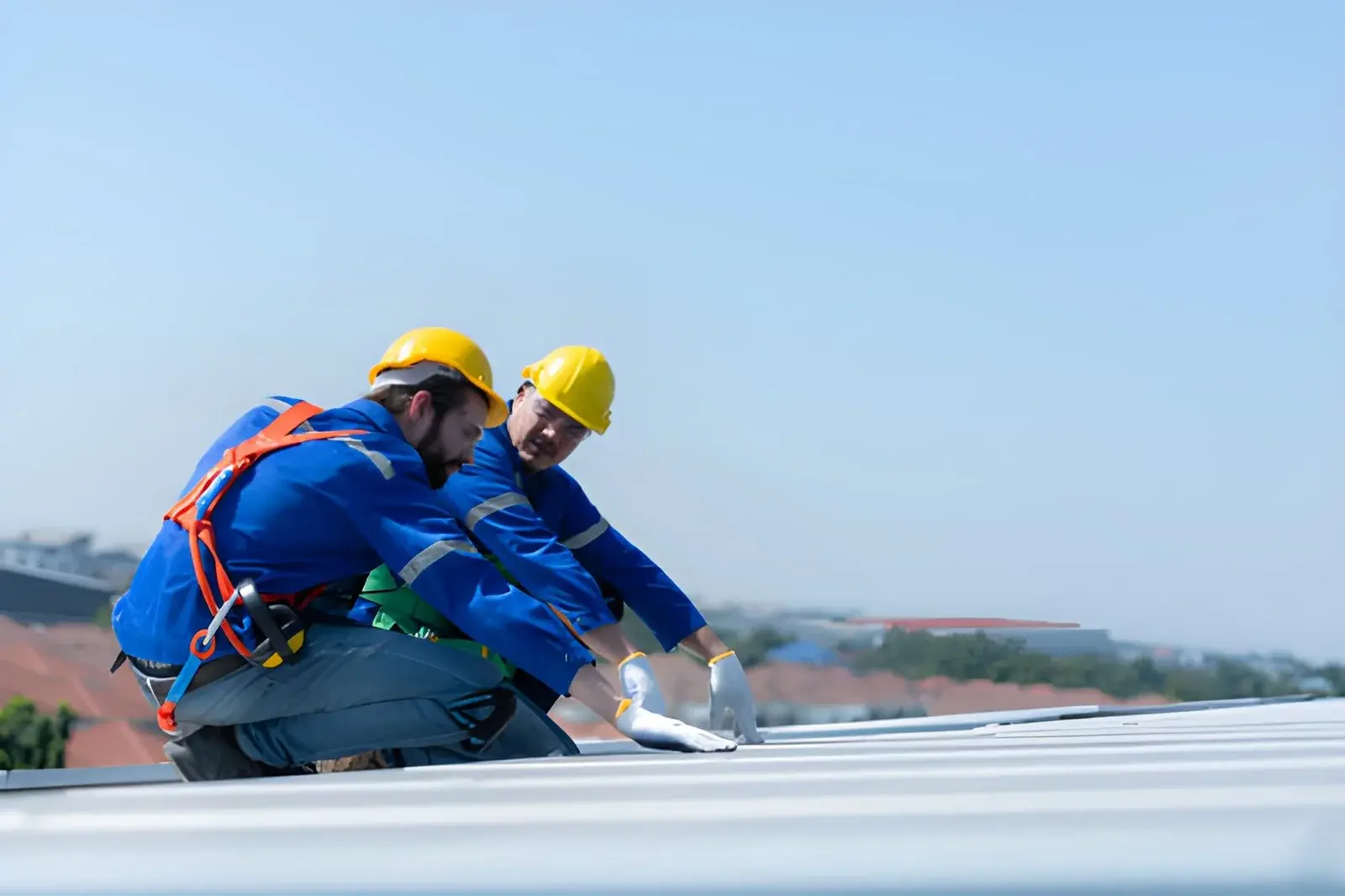
A commercial roofing contractor works on properties like office buildings, warehouses, retail centers, and industrial facilities. The job goes beyond placing shingles on a sloped roof. Commercial projects in Dallas often involve flat or low-slope roof systems that require specific materials and installation methods. TPO, EPDM, modified bitumen, built-up roofing (BUR), and standing seam metal are the most common systems used across Dallas commercial buildings. Each one has different performance ratings, lifespans, and maintenance requirements that a qualified contractor should be able to explain.
Commercial roofing contractors handle large-scale installations, full tear-offs, membrane repairs, drainage corrections, and ongoing maintenance contracts. The work typically requires building permits, code compliance reviews, and coordination with property managers or facility directors. A residential roofer who installs asphalt shingles on houses does not carry the same training or equipment for these types of projects. That is the main reason commercial property owners in Dallas need a contractor who focuses specifically on commercial roofing services in Dallas rather than general residential work.
The scope of a commercial roofing project also includes pre-project inspections, leak detection, preventive maintenance programs, and storm damage assessments. A good contractor will document the full condition of the existing roof before recommending repairs or replacement. This documentation matters for insurance claims, capital planning, and long-term property budgets.
What to Look for in a Commercial Roofing Contractor?
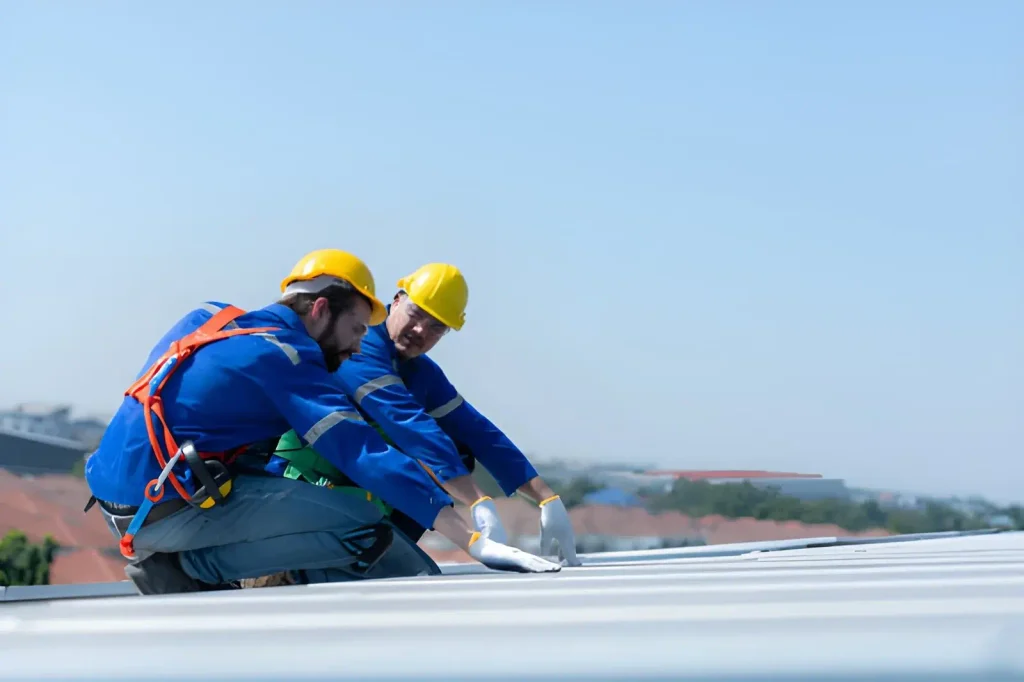
The first thing to verify is licensing and insurance. In Texas, roofing contractors must register with the Texas Department of Licensing and Regulation (TDLR). Ask any contractor you are considering for their TDLR registration number and confirm it is active on the state website. Alongside that, request a certificate of insurance showing both general liability coverage and workers’ compensation. A contractor without workers’ comp coverage puts you at direct financial risk if a crew member is injured on your property.
Experience on commercial projects matters more than total years in business. A company that has completed 200 residential roofs and two commercial jobs is not the same as one that works on commercial properties every week in Dallas. Ask how many commercial roofing projects they have completed in the Dallas area over the past three years, and ask for references you can call. A reliable commercial roofing contractor will hand over a reference list without hesitation. If they stall, redirect the question, or offer excuses, move on to the next option on your list.
Look for contractors who hold manufacturer certifications from companies like GAF, Owens Corning, or CertainTeed. These certifications mean the contractor has completed specific training programs and met installation standards set by the material manufacturer. Certified contractors can often offer extended warranty options that uncertified installers cannot match.
Questions to Ask Before You Hire a Roofer in Dallas
Before signing any contract, ask the contractor to walk through the full scope of work in plain language. Ask if the crew is in-house or subcontracted. Ask who handles building permits and city inspections. Ask how they deal with problems that come up once the old roof is removed, such as rotten decking, wet insulation, or structural damage underneath. A contractor who answers these questions directly and puts every detail in writing is one you can work with. A contractor who gets vague or dismissive when asked for specifics is one you should walk away from.
Ask about warranty coverage and get the terms documented before the project starts. Commercial roofing warranties come in two main types: the manufacturer warranty covering materials and the contractor workmanship warranty covering labor and installation. Some manufacturers offer No Dollar Limit (NDL) warranties, but only through certified installers. Ask which type applies to your project, what it covers, what actions void it, and how long it lasts. A roof inspection in Dallas before any work begins should be a standard part of every qualified contractor’s process, and the findings should come to you in a written report.
Ask about the project timeline, payment schedule, and change order process. A professional contractor will give you a realistic start date and completion estimate based on the size and current condition of your roof. Payment should follow a schedule tied to completed milestones, not a single lump sum upfront. If changes come up during the project, there should be a written approval process for any extra work and costs before the contractor moves forward.
How to Evaluate and Compare Roofing Estimates?
Get at least three written estimates from different commercial roofing contractors in Dallas before making a decision. Each estimate should break down materials, labor, tear-off and disposal, permits, and warranty coverage as separate line items. A single lump-sum number with no breakdown tells you nothing about what you are actually paying for. Detailed estimates allow you to compare proposals on equal terms instead of guessing which contractor included what in their total price.
The lowest estimate is not automatically the best value. A low bid can signal lower-quality materials, skipped installation steps, thinner underlayment, or missing permit and insurance costs. On the other end, the highest bid does not guarantee the best work. The right contractor is the one whose proposal is clear, complete, and supported by a verifiable record of commercial roof repair in Dallas. Look at what each proposal includes and excludes, not just the bottom-line number.
Pay attention to how each contractor handles the bidding process itself. A contractor who shows up on time, inspects the roof in person, asks informed questions about the building’s history, and delivers a detailed proposal within the promised timeframe is showing you exactly how they will run the actual project. A contractor who quotes from the parking lot, sends a vague one-page estimate two weeks late, or pressures you to commit before you have reviewed the details is showing you the same thing.
Red Flags That Should Rule Out a Roofing Contractor
Not every contractor who shows up with a business card and a handshake deserves the job. Some warning signs are easy to spot, but others are harder to catch until you are already locked into a contract. Knowing how to choose a good commercial roofing contractor in Dallas also means knowing which ones to eliminate before they waste your time or put your commercial property at risk. The following patterns should raise immediate concern during the hiring and evaluation process.
Watch for these specific red flags when evaluating any commercial roofing contractor:
- No proof of active TDLR registration or current insurance certificates
- Demands full payment before any work starts or accepts cash only
- No written contract, scope of work, or documented warranty terms
- Pressures you to sign the same day without time to review the proposal
- Cannot provide local commercial references you can call and verify
- No verifiable business address or physical office location
- Uses only subcontracted crews with no direct job site oversight
A company like Fast Peak Roofing approaches the process differently by providing full documentation upfront, explaining the scope of work in detail, and giving property owners the time they need to review everything before making a commitment. The difference between a trustworthy contractor and one that cuts corners shows up long before any materials go on the roof. It shows up in how they communicate, what they put in writing, and how they respond when you ask the hard questions about licensing, insurance, and past project results.
Why Dallas Commercial Roofs Need a Local Contractor?
Dallas sits in a part of North Texas that deals with extreme summer heat, strong wind events, sudden hailstorms, and heavy rain throughout the year. These conditions put constant stress on commercial roofing systems, especially flat and low-slope membranes that collect standing water if drainage is not properly maintained. A local contractor who works on commercial roofs in the Dallas area understands these weather patterns and knows which materials and installation methods hold up best under them.
Storm damage is a constant reality for commercial property owners in Dallas. The contractor you choose should have direct experience handling storm damage roof repair in Dallas and emergency roof repair in Dallas. A local contractor can respond faster after severe weather, document the damage accurately for insurance purposes, and complete the repair before secondary water damage spreads into the building interior. Out-of-town storm chasers often appear after major weather events, offer fast quotes, collect payment, and disappear once the project wraps.
The decision to hire a commercial roofing contractor in Dallas affects the building’s safety, the annual operating budget, and the long-term value of the property. Take the time to verify credentials, compare detailed estimates, ask the right questions, and check references from actual commercial projects. The right contractor will not rush you through the process, will not skip steps during installation, and will put every detail in writing before any materials hit the roof.
Frequently Asked Questions
Q. How do I find a reliable commercial roofing contractor in my area?
Verify TDLR registration, confirm general liability and workers’ compensation insurance, and ask for references from completed commercial projects in your area before signing any contract.
Q. What questions should I ask a roofing contractor before hiring?
Ask about warranty terms, in-house vs. subcontracted crews, permit handling, payment schedule, and always request a written scope of work before you agree to anything.
Q. How do I check if a roofing contractor is licensed in Texas?
Texas requires roofers to register with the Texas Department of Licensing and Regulation (TDLR), and you can verify any contractor’s active registration status directly on the TDLR website.
Q. What is the difference between a commercial and residential roofing contractor?
Commercial contractors specialize in flat and low-slope systems like TPO, EPDM, and modified bitumen on larger buildings, while residential contractors primarily install asphalt shingles on single-family homes.
Q. How many roofing estimates should I get before choosing a contractor?
Get at least three detailed written estimates with line-item breakdowns for materials, labor, permits, and warranty coverage so you can compare proposals on equal terms.